
Tech and gear that actually earns a place in your bag, desk, or house.
No hype cycles, no "10 gadgets you NEED" filler. Every pick here gets picked for a reason, and we tell you what that reason is.
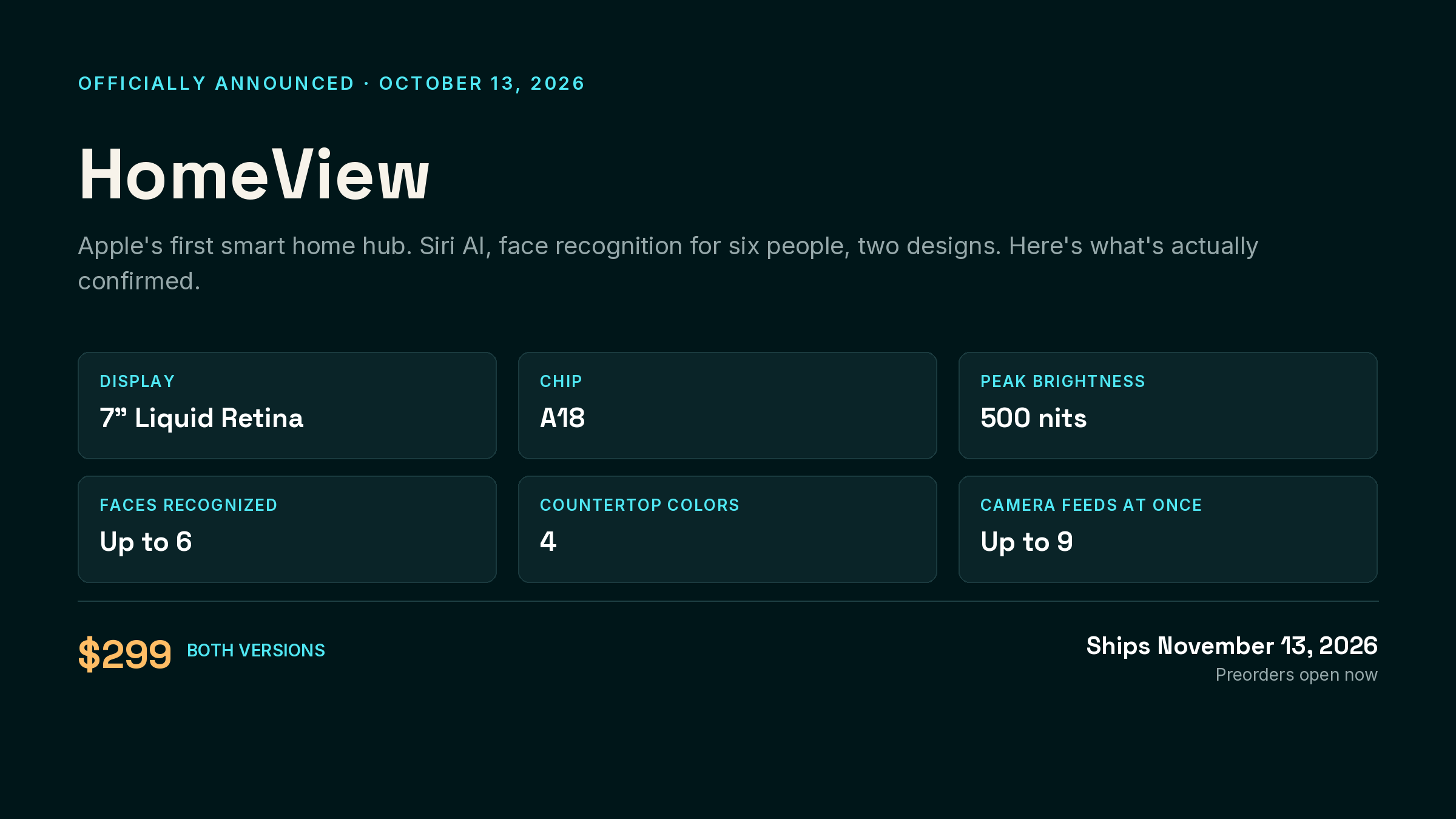
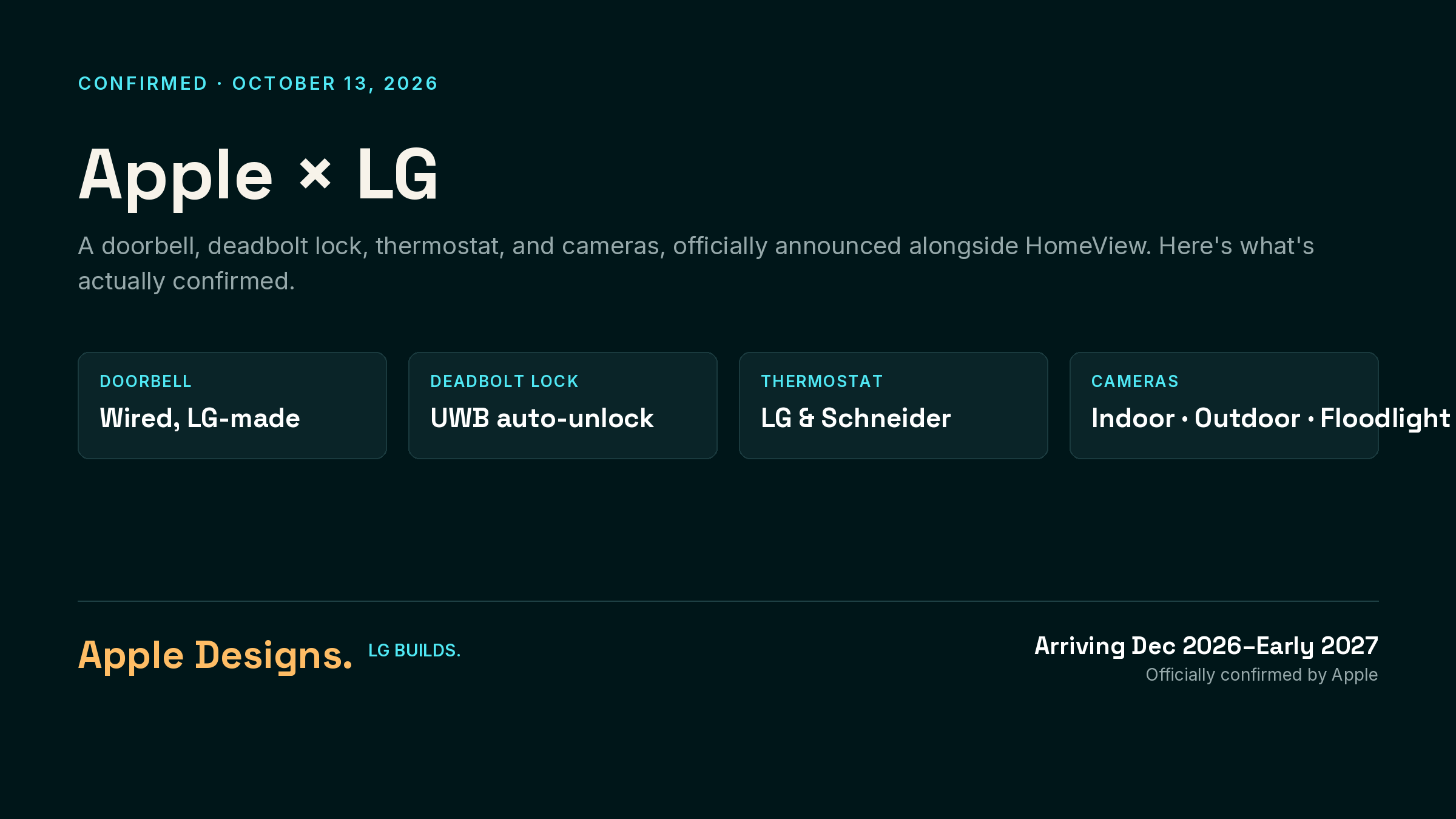

Work
Stands, hubs, and desk gear that actually earns a spot on a working desk.
See the picks →

On the Go
Gear built to survive a bag, a flight, or a weekend outside.
See the picks →
Off-Grid
Real gear for running a home, van, or cabin without relying on the grid.
See the picks →Guides
Organized around what you're trying to do, not what category it falls under.
The 2026 Holiday Gift Guide, Sorted By Who It's For
No tiers, no 47-item megalist. The actual tech worth giving this year, organized by the person on your list instead of a vague ranking.
Read the guide → Buying GuidePower Bank Comparison: Capacity, Wattage, and What Each One Can Actually Charge
Every power bank we carry compared on capacity, output, and the question that actually matters: how long can it keep a full laptop running, not just a phone.
Read the guide → ExplainerUSB-C Isn't One Standard: A Guide to the Tiers
The same connector shape can mean power only, power and basic data, or full USB4 and video. Here's how to tell the tiers apart, including how Apple uses USB-C to drive an external display.
Read the guide →
What's Coming
Ten launches people are already searching for, none of them shipping yet. We split what's confirmed from what's rumor so you know which is which.
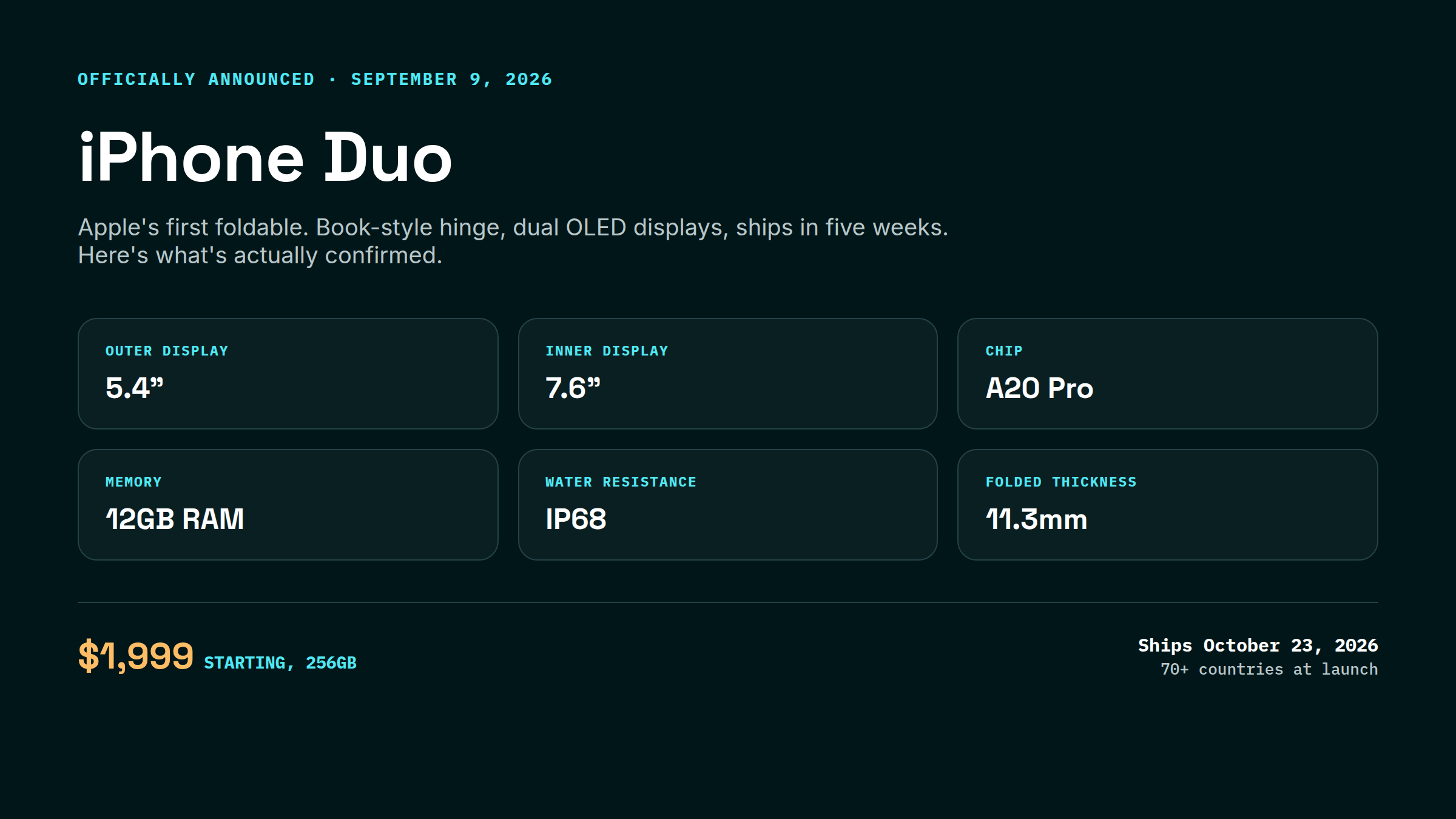
iPhone Duo, Apple's First Foldable iPhone
Apple doesn't need to lead unit share to matter here. Forcing mainstream developers to treat adaptive phone/tablet layouts as a first-class iOS requirement improves the software ecosystem for every foldable vendor, and Apple's purchasing scale should accelerate creaseless-display and hinge manufacturing industry-wide.
Read the breakdown → Customer systems from H2 2026NVIDIA Vera Rubin AI Platform
Rubin's real disruption is economic, not just benchmark bragging rights. Longer-context AI agents repeatedly call models, tools, and memory, so tokens-per-watt and network efficiency matter as much as raw compute. If NVIDIA's claims survive production workloads, running enterprise agents continuously could finally become affordable.
Read the breakdown → Unveil 2026, ship 2027OpenAI + Jony Ive Screenless AI Companion
This is the clearest test yet of whether AI deserves hardware built around persistent context instead of apps and screens. Success could shift interaction from open-app-issue-command to ambient, proactive assistance. Failure modes are just as real: privacy, always-on sensing, hallucinated actions, and no display for verification. Humane's AI Pin already showed how unforgiving this category is.
Read the breakdown →