
Why this made the list
The biggest barrier to entry for robot mowers has always been the boundary wire: burying or staking a perimeter line before the mower can even start working. The Navimow i105N skips that step entirely. It uses RTK positioning combined with an onboard camera to map your yard and hold its boundaries, set up through an app instead of a shovel. For a smaller yard, that's a meaningfully easier way in, and it undercuts wire-based competitors on price too.
What it actually does
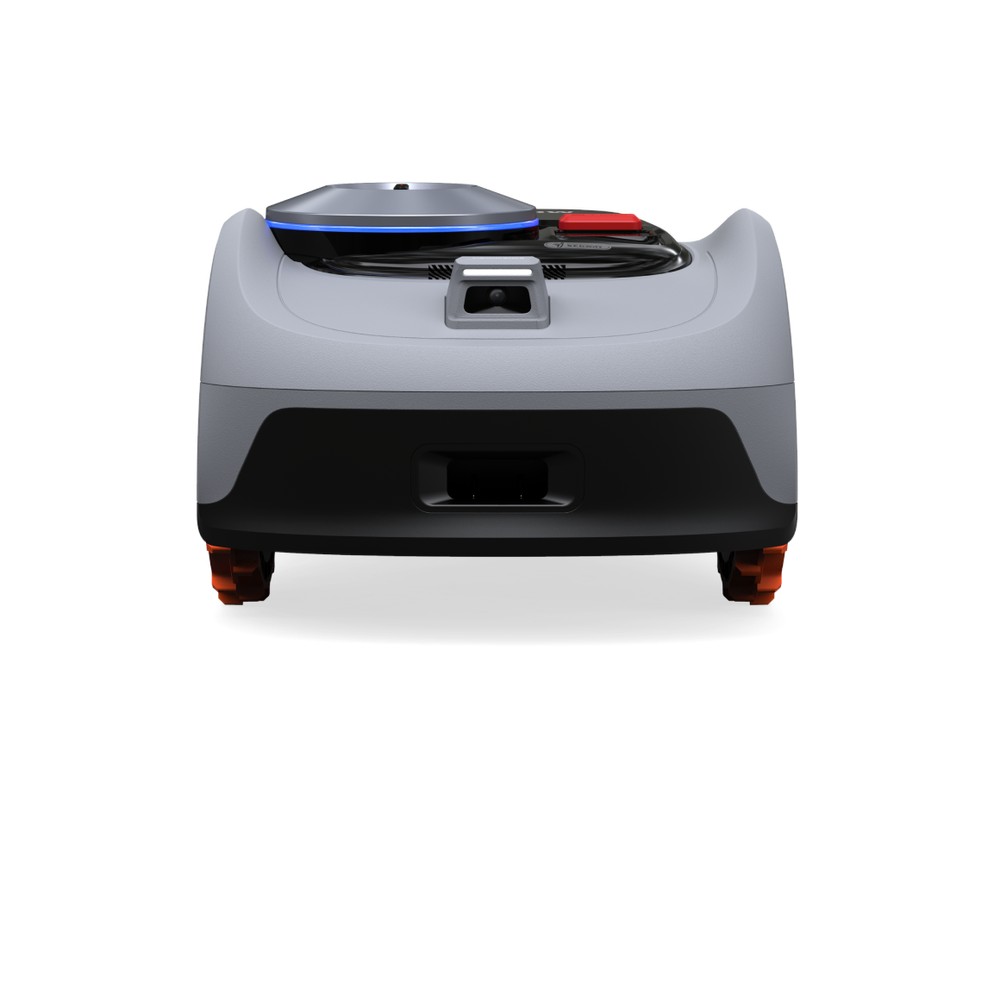
It combines RTK (real-time kinematic) GPS positioning with a forward-facing camera for centimeter-level accuracy without a physical boundary wire. You walk the perimeter once with the app (or draw it), and the mower uses vision plus RTK to hold that line going forward. The camera also handles obstacle detection, reviewers report it recognizing and steering around things like garden hoses and toys from a distance rather than bumping into them. It supports multiple mowing zones from one base station and runs quietly enough to not be a neighborhood nuisance. The catch is coverage: this specific model, the i105N, is built for smaller lawns, up to about 1/8 acre, not the multi-acre yards some other Navimow models are rated for.
Who this is actually for
Someone with a smaller, fairly open yard who wants a genuinely wire-free setup and doesn't want to deal with burying cable. It's also a reasonable pick for renters or anyone who might want to relocate the mower to a different yard down the road, since there's no wire left in the ground.
What to weigh before buying
- 1/8 acre is a small coverage area. Check your actual lawn size before buying, this model is not built for anything approaching a typical suburban half-acre lot.
- RTK accuracy depends on the base station having a relatively clear view of the sky. Heavy tree cover or being tucked close to a house can degrade the signal it needs.
- Camera-and-RTK navigation is newer technology than boundary wire. It has less of a multi-year track record than the older wire-based systems from brands like Husqvarna.
- Initial setup leans on the app to walk and confirm the perimeter, which is easier than installing wire but still takes some patience to get the boundaries right.
The verdict
A genuinely wire-free mower that's easier to set up than boundary-wire competitors, as long as your yard fits its modest coverage limit. Good for a small, sky-visible lawn; not a fit for anything bigger.