
Why this made the list
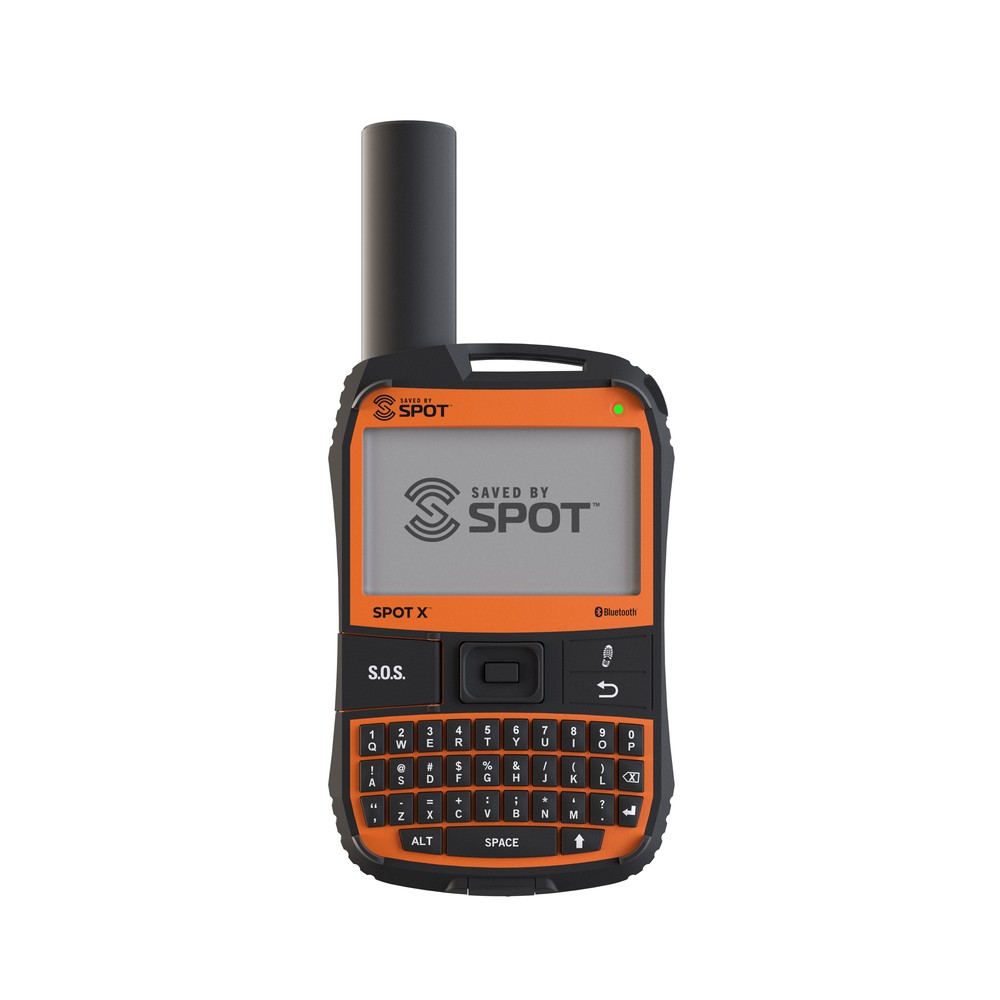
SPOT X is built around a real physical QWERTY keyboard, the "BlackBerry style" layout, instead of forcing everything through a paired phone app. For anyone who's tried thumb-typing a message on a tiny satellite communicator screen with no signal and given up, that's a genuine difference in how usable the device is on its own.
What it actually does
It sends and receives two-way text messages using the Globalstar satellite network rather than Iridium, has a dedicated SOS button, and reports up to 10 days of battery life. It weighs about 6.8 ounces, noticeably more than the smallest competitors, and carries an IPX7 water resistance rating good for 30 minutes of submersion. The built-in keyboard means it can be used entirely standalone, without needing a smartphone paired over Bluetooth to compose real messages.
Who this is actually for
Someone who wants to type actual messages on the device itself rather than relying on a phone, and who's traveling mainly in North America or Europe, where Globalstar's network is strongest. It's a reasonable choice for people who've found smartphone-dependent communicators frustrating and want a real keyboard instead.
What to weigh before buying
- Globalstar's satellite network coverage isn't as globally consistent as Iridium's, the network Garmin and Zoleo use. Reviewers report weaker reliability outside North America and Europe, which matters a lot if the trip is somewhere else.
- At 6.8 ounces it's on the heavier and bulkier side for this category, which some reviewers flag directly against smaller units like the inReach Mini.
- Multiple reviews mention inconsistent customer service and firmware issues. It's worth reading current owner feedback before buying, since that kind of thing can change between firmware versions.
- Like every satellite communicator, it needs an active paid subscription plan to function, an ongoing cost on top of the device itself.
The verdict
A solid pick for anyone who specifically wants a physical keyboard and travels mostly where Globalstar coverage is strong, but it's worth comparing against Iridium-based options if the trip goes further off the beaten path.